This week I continued to read I Am Malala. Malala continues to describe the only worsening situation in Pakistan. She has introduced the character Maulana Fazlullah. He is a Taliban supporter and is educated in the Muslim works (the term Malala uses is Mullah). He started a radio station where he began to preach. At first, Fazlullah was simply telling the residents of the Swat Valley to stick to good habits, and to drop the bad ones. With every turn of the page, the Mullah's teachings became more and more controversial. He began to criticize female education, (a subject central to the book, and one of Malala's core beliefs). He publicly announced and congratulated girls that dropped out of school. For many though, this brought up the question, why?
This brought back the idea that an education could be dangerous. It allows people to comprehend ideas and form an opinion. Opinions can be very dangerous in a society built on ignorance.
The Mullah continued to radicalize the people. He went as far as to ban women from leaving their homes. He also banned shaving and barbershops. By the time these radical ideas were heard, Fazlullah had already gained a large amount of support.
The Mullah's bans continued to become more and more aggressive. He began to ban television, music, and dancing. With the Taliban's help, he collected all of the TV's and CDs, and burned them. With this I find an eery similarity to the Nazi book burnings. Both events were to censor the media. To maintain the ignorance of the people. In the mid 1900s, books were the source of information. In the late 20th century/early 21st century, prominence switched over to the television. That might be why unlike the Nazis, the Taliban left the books alone.
Fazlullah didn't stop there. He began to build Madrasas (Muslim schools) and Mosques (Muslim places of worship), with the people's money and labor. He required each town to send its men for a day in order to work on the construction. Fazlullah's teachings begins to infiltrate even Malala's school. Male teachers began to refuse teaching to female students. It is almost unfathomable what a charismatic leader can accomplish. Once again, similarities can be found between Fazlullah and the Nazis, specifically Hitler. Both leaders managed to exploit the ignorance of their people in order to accomplish the spreading of their ideology.
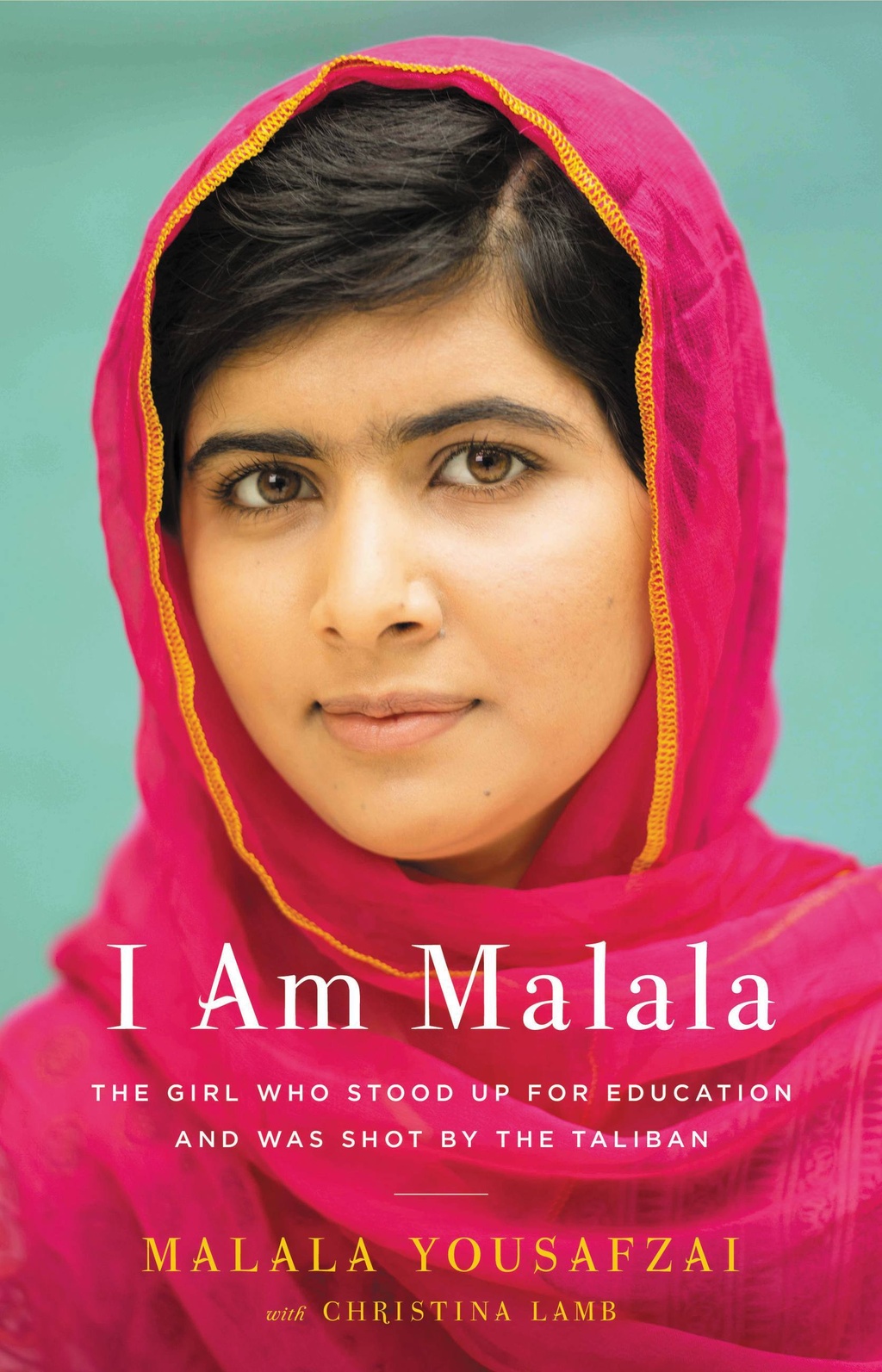
"My friends and I couldn't understand why it was so wrong. 'Why don't they want girls to go to school?' I asked my father. 'They are scared of the pen,' he replied," (Yousafzai, 62)
The Mullah continued to radicalize the people. He went as far as to ban women from leaving their homes. He also banned shaving and barbershops. By the time these radical ideas were heard, Fazlullah had already gained a large amount of support.
 |
| Nazis burning books |
Fazlullah didn't stop there. He began to build Madrasas (Muslim schools) and Mosques (Muslim places of worship), with the people's money and labor. He required each town to send its men for a day in order to work on the construction. Fazlullah's teachings begins to infiltrate even Malala's school. Male teachers began to refuse teaching to female students. It is almost unfathomable what a charismatic leader can accomplish. Once again, similarities can be found between Fazlullah and the Nazis, specifically Hitler. Both leaders managed to exploit the ignorance of their people in order to accomplish the spreading of their ideology.

This sounds like a very interesting book! I would love to know more about it and I will for sure add this to my WANT TO READ list. I feel like I couldn't make a strong connection to what they are going through but I would still be interested to find out what happens as the story goes along!
ReplyDelete